If you look closely at the wealthiest individuals in Nigeria, they all share one common denominator: a massive real estate portfolio. However, many of them didn’t start by building multi-story commercial towers or luxury duplexes. Instead, they mastered a simpler, incredibly passive, and highly profitable strategy known as land banking.
As urban areas expand rapidly across major cities like Abuja and Lagos, land banking has become the ultimate vehicle for outsmarting inflation and securing long-term wealth.
But what exactly is land banking, and how can you use it to grow your financial portfolio safely? Let’s dive in.
What is Land Banking?
Land banking is the practice of purchasing undeveloped land in a location that is poised for rapid future growth, holding onto it for a period, and selling it at a significantly higher price once infrastructural development catches up.
Think of it like buying shares in a company before it becomes a household name. You buy when the price is low and the land is quiet, and you cash out when everyone else is scrambling to buy a plot in that neighborhood.
Why Land Banking is Outperforming Other Investments in Nigeria
Nigeria’s population is growing at an unprecedented rate, creating a massive, non-stop demand for housing and commercial spaces. This makes land banking uniquely profitable for several reasons:
- Zero Upkeep Costs: Unlike rental apartments, raw land requires no monthly maintenance, plumbing repairs, or tenant management. You buy it, secure it, and let it appreciate.
- Exceptional Hedge Against Inflation: With currency fluctuations, keeping cash in a savings account depreciates your purchasing power. Land values in fast-developing corridors naturally outpace inflation.
- High Capital Appreciation: Plots purchased in the fringes of growing cities can double or triple in value within a few short years as roads, businesses, and estates move inward.
3 Rules for Successful Land Banking in Nigeria
1. Look for the “Path of Progress”
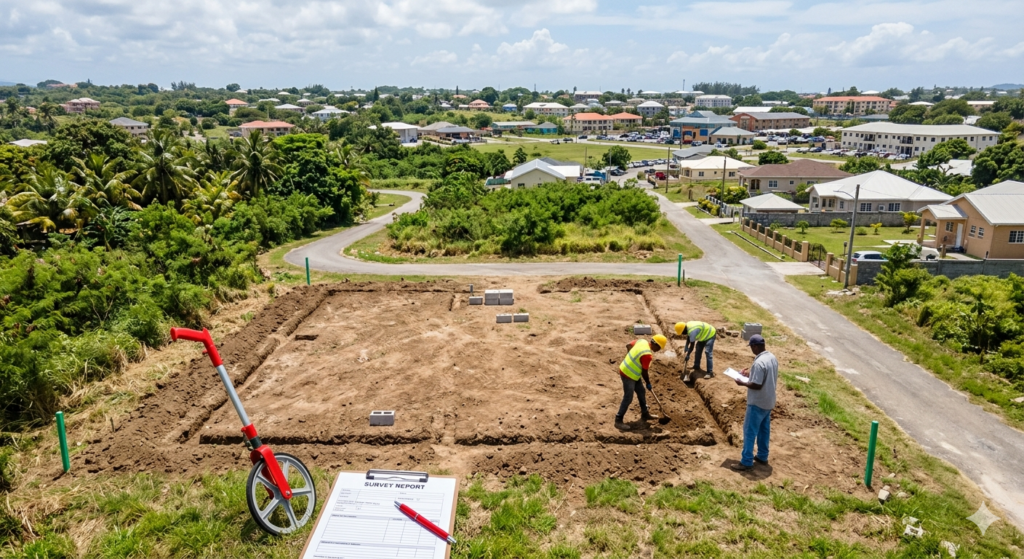
The golden rule of land banking is to buy in the direct path of government or private development. Look for areas where major infrastructure projects—such as new highways, airports, universities, or free trade zones—have been approved.
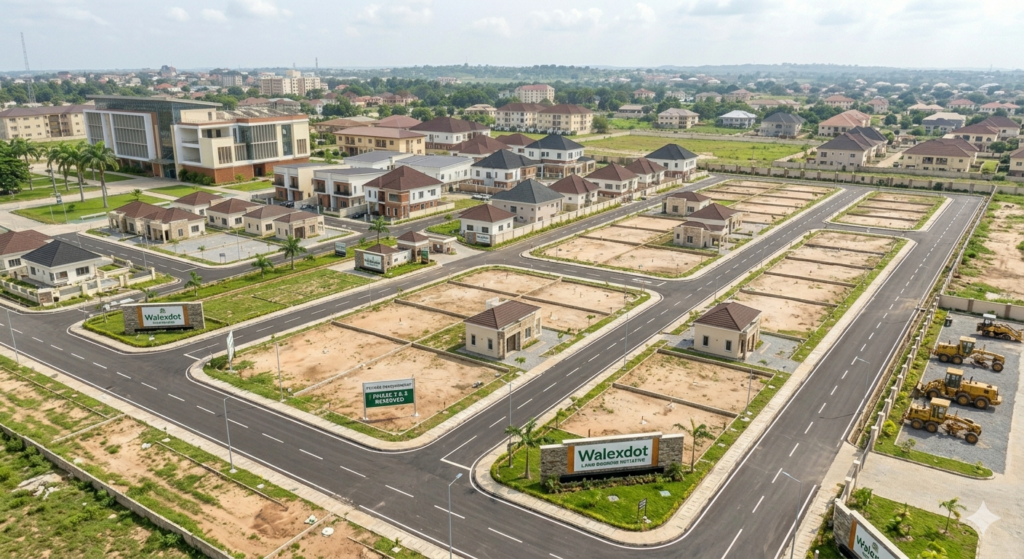
For instance, purchasing affordable land banking plots in expanding sectors of Abuja or the outskirts of growing commercial hubs ensures your property rides the inevitable wave of capital appreciation.
2. Verify Titles and Boundaries Before Dropping a Kobo
The high returns of land banking also attract fraudulent elements. Because land banking properties are often located in developing areas, you must ensure the root of title is sound. Whether it is an excised land title, a Governor’s Consent, or a Certificate of Occupancy, absolute verification prevents future encroachment or community clashes.
3. Have a “Holding Power” Mindset
Land banking is not a “get rich quick” scheme; it is a wealth-multiplication strategy. To maximize your returns, you need holding power—the financial patience to keep the land for 2 to 5 years while the surrounding infrastructure matures.
How to Get Started Safely Today
The biggest hurdle for first-time land bankers is finding genuine plots with secure paperwork in areas that are guaranteed to grow.
At Walexdot Real Estate, we specialize in identifying high-growth investment opportunities. Our team conducts rigorous background checks and comprehensive land verification to ensure every single deal we bring to you is 100% secure and free from future legal hazards.
Whether you are a diaspora investor looking for a secure place to store wealth or a local professional planning for retirement, we can guide you to smart property choices that fit your budget.
Ready to start banking land? Explore our verified holdings on the Walexdot Properties Page or speak directly with our advisory team via our Walexdot Contact Page to secure your financial future today!
References
Federal Republic of Nigeria. (1978). Land Use Act, Chapter 202, Laws of the Federation of Nigeria. https://www.fao.org/faolex/results/details/en/c/LEX-FAOC152194/