For millions of Nigerians living in the UK, US, Canada, and across the globe, investing in property back home is the ultimate dream. It represents a connection to your roots, a retirement backup plan, and a powerful way to build generational wealth using strong foreign currency.
Unfortunately, the diaspora property journey is often filled with heartbreaking stories. We have all heard of someone who sent thousands of dollars to a trusted relative or an unverified agent to build a house, only to fly home years later and find an empty, waterlogged plot of land—or no land at all.
Investing home doesn’t have to be a game of Russian roulette. By shifting from an emotional approach to a strictly institutional one, you can grow a secure, high-yield real estate portfolio in Nigeria while sitting comfortably on your couch abroad. Here are four foolproof rules to guide you.
1. Separate Family from Business
The number one rule of diaspora real estate investment is simple: Do not use relatives as your project managers or property finders.
While intentions are often good at the start, family dynamics can easily cloud financial accountability. Money meant for foundations or land registration can quickly be diverted to family emergencies, medical bills, or weddings. When things go wrong, pursuing legal action against a sibling or uncle becomes a messy, emotionally exhausting ordeal.
Treat your Nigerian property investments exactly how you treat investments in your resident country—professionally, legally, and through corporate entities.
2. Leverage Technology for Virtual Inspection and Tracking
Being thousands of miles away is no longer an excuse for buying blind. Technology has completely transformed remote property acquisition.
- Insist on Live Virtual Tours: Do not rely on pre-recorded videos or edited clips sent via WhatsApp. Demand a live video call from the site so you can see the topography, the surrounding neighborhood, and the actual state of development in real-time.
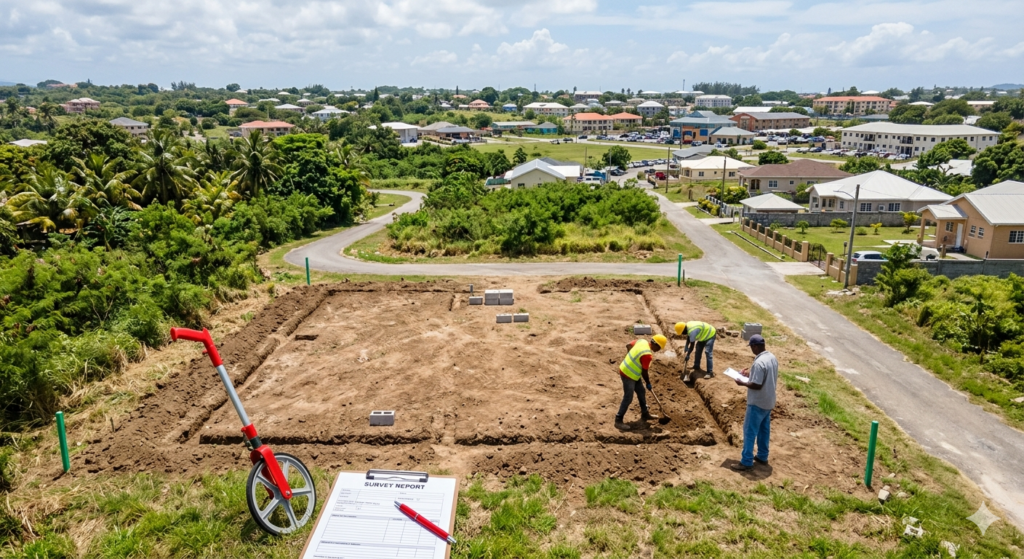
- Use Independent Drone Surveys: If you are buying large tracts of land for land banking, hire an independent surveyor to chart the coordinates and send you drone footage of the boundaries.
3. Build a Strict Legal and Corporate Gate
Every transaction you make must leave a clear paper trail. If a seller or agent asks you to send money to a personal bank account instead of a registered corporate account, walk away immediately.
Before making a single wire transfer:
- Retain an independent, corporate real estate lawyer in Nigeria to review the root of title (such as a Certificate of Occupancy or Governor’s Consent).
- Ensure all contracts, Deeds of Assignment, and receipts are issued in your legal name or your registered company’s name.
4. Partner with an Institutional Real Estate Firm
The absolute safest shortcut to investing in Nigeria from abroad is partnering with an established, vetted real estate company that has a proven track record of delivering to diaspora clients.
A reputable corporate entity has its brand name, legal status, and insurance on the line with every transaction. They handle the grueling process of land verification, community clearing (Omonile settlement), and infrastructure development before you ever pay a dime.
Build Your Nigerian Legacy with Peace of Mind
At Walexdot Real Estate, we understand the unique anxieties and challenges faced by our diaspora community. We bridge the gap between your hard-earned foreign income and secure, high-appreciating real estate assets in Nigeria’s premier locations.
We provide transparent documentation, live virtual updates, and full end-to-end corporate accountability, ensuring you never have to worry about missing funds or boundary disputes.
Ready to invest in verified, hassle-free land or luxury developments back home? Explore our prime holdings on our Walexdot Properties Page or schedule a remote consultation with our international advisory desk via the Walexdot Contact Page today!
References
Federal Republic of Nigeria. (1978). Land Use Act, Chapter 202, Laws of the Federation of Nigeria. https://www.fao.org/faolex/results/details/en/c/LEX-FAOC152194/