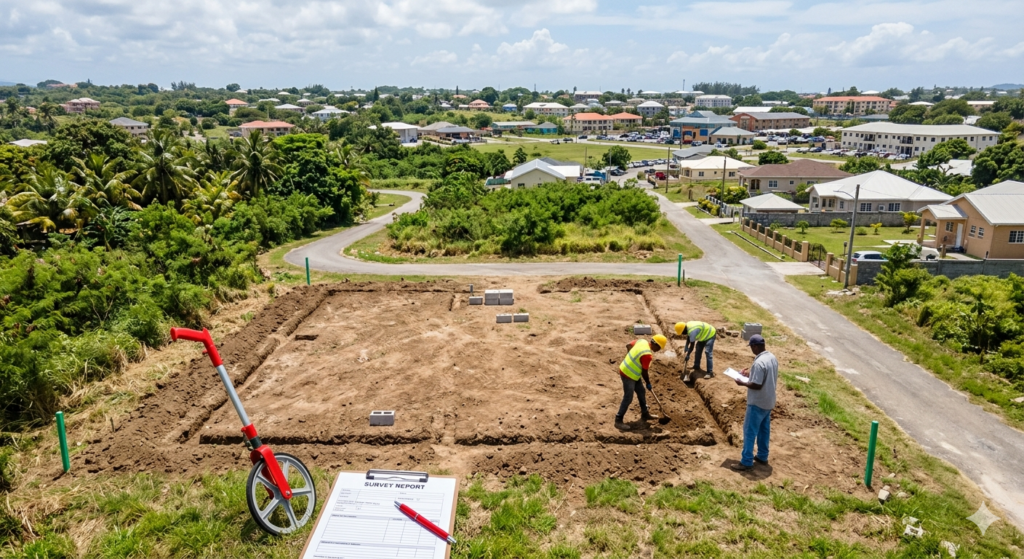
Buying land in Nigeria is one of the most reliable ways to build long-term wealth. Whether you want to build your dream home, venture into commercial farming, or tap into the highly profitable real estate market, land remains an appreciating asset that rarely loses value.
However, the Nigerian real estate landscape can be a minefield for the unprepared. From dealing with informal land owners (Omonile) to navigating complex zoning laws, a single misstep can lead to years of legal battles or, worse, losing your hard-earned money.
To ensure your investment is safe and profitable, here are five essential tips you must follow before making any financial commitment.
Read more on land titles from Nigerian Property Centre)
1. Verify the Land Title (Do Your Due Diligence)
Never take a seller’s word at face value when they claim to own a piece of land. The most important step in buying land in Nigeria is verifying the authenticity of the property documents.
You need to conduct a search at the appropriate state registry (such as the Lagos State Lands Bureau or the Abuja Geographic Information Systems). Key documents you should look out for include:
- Certificate of Occupancy (C of O): The highest recognized root of title issued by the state government.
- Governor’s Consent: A document showing that the governor has approved the transfer of land from one party to another.
- Registered Survey Plan: Shows the exact boundaries and geographical location of the land.
If you are looking at verified listings with pristine documentation, you can browse through our secure properties at Walexdot Real Estate Properties.
2. Understand the “Excision” and Government Acquisition Status
A common trap for many buyers is purchasing land that has been earmarked for government use. Under the Land Use Act of 1978, all land within a state is vested in the Governor.
If land is “under government acquisition,” it means the government has plans for it (e.g., building roads, schools, or industrial zones). Ensure the land has been excised—meaning the government has legally released the land back to the traditional community or individuals, making it safe for private purchase and registration.
3. Never Skip Physical Site Inspection
In the digital age, it is tempting to buy land based solely on beautiful drone videos or 3D estate mockups, especially for Nigerians in the diaspora. This is a massive mistake.
A physical inspection allows you to verify:
- The topography: Is the land waterlogged, swampy, or on a steep slope? Swampy lands will cost you millions extra in sand-filling and rafting foundations.
- The neighborhood: Are there accessible roads, electricity, or signs of rapid development?
- Existing disputes: Look out for red flags like a “Buyer Beware” or “This Land is Not for Sale” notice painted on nearby walls.
If you cannot make it yourself, hire a trusted representative, a lawyer, or a verified agent from Walexdot Contact Page to inspect the plot on your behalf.
4. Work with an Independent Surveyor and Lawyer
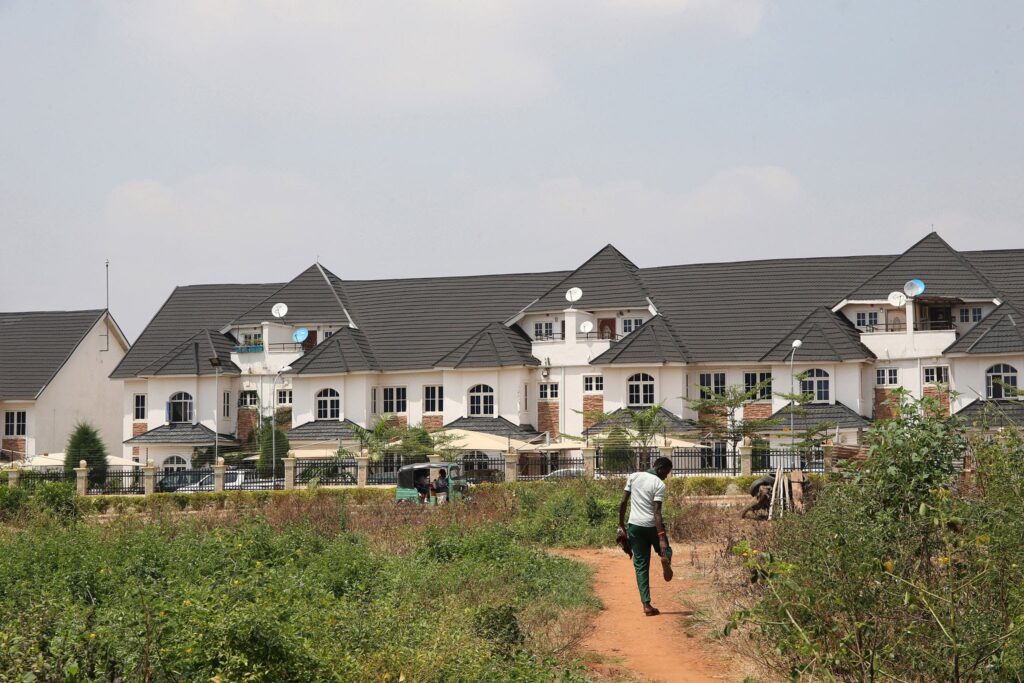
When purchasing property, do not use the seller’s surveyor or lawyer to save money. You need independent professionals who have your best interests at heart.
- Your Surveyor will pick up the exact coordinates of the land using a GPS tool to confirm that the dimensions match what is written on the survey plan, and that the plot doesn’t fall into a government zone.
- Your Real Estate Lawyer will review the Deed of Assignment, search the titles, and ensure that the contract of sale protects you against future claims.
5. Account for Hidden “Closing Costs”
The purchase price of the land is rarely the final amount you will spend. Budgeting only for the cost of the plot often leaves buyers stranded when unexpected bills pop up.
Always factor in these additional expenses:
- Survey Fees: For charting and registering your specific coordinates.
- Legal Fees: Typically 5% to 10% of the land cost.
- Agency Commission: Standard professional finder’s fee.
- Deed of Assignment Fees: To legally transfer ownership.
- Development or Community Levy: Often demanded by local communities (Omonile) or estate management for infrastructure.
Final Thoughts
Land investment in Nigeria can yield incredible returns if done correctly. By taking your time, verifying titles, inspecting the site, and relying on professional guidance, you protect your wealth from fraudsters.
Ready to take your first secure step into the Nigerian property market? Reach out to our team at Walexdot Real Estate today, and let us help you find verified, hassle-free land investments that guarantee peace of mind.
References
Federal Republic of Nigeria. (1978). Land Use Act, Chapter 202, Laws of the Federation of Nigeria. https://www.fao.org/faolex/results/details/en/c/LEX-FAOC152194/
At Walex Dot Com, we always help our clients verify sellers before any payment is made. check our availabe properties here.
Ready to buy your own land? Contact Walex Dot Com today and let us help you find genuine properties at the best prices.